Вы пытаетесь выбрать регион другой версии сайта. В случае перехода, вам придется набирать товары в корзину заново.

Хроническая усталость и стресс? Тебе нужен магний!
Узнай, как повысить работоспособность и улучшить состояние с помощью этого макроэлемента!
Ты знала, что элементарный состав нашего организма на 99% включает в себя всего 12 химических элементов, и магний в этом топе занимает почетное четвертое место, уступая лишь калию, кальцию и натрию? Но несмотря на свою значимость, его дефицит наблюдается у 80% людей, проживающих в крупных городах и развитых странах. Обогнать его здесь смог только витамин D. Сегодня мы расскажем, как узнать, необходимо ли тебе восполнить недостаток магния, и как его правильно принимать.
Магний можно назначить себе самому?
Обычно, для того чтобы выявить нехватку витамина или минерала в организме, советуют обратиться к специалисту и сдать анализ. С магнием это работает немного иначе. Даже если в крови его доза будет находиться в пределах нормы, радоваться рано. Основная его часть локализуется в костной, мышечной и мягких тканях. Поэтому рекомендуется больше опираться на самочувствие и назначать себе исключительно профилактические дозы. При сильных недомоганиях следует обратиться к врачу и пройти полноценный курс обследования.
Итак, тебе нужен магний, если…
Основные признаки дефицита магния связывают с психоэмоциональным состоянием. Среди них выделяют тревожность, бессонницу, быструю утомляемость и синдром хронической усталости, снижение памяти и т.д. Также на недостаток этого элемента указывают нарушения в опорно-двигательной системе, например, мышечные спазмы и судороги в икроножных мышцах.
Почему у меня может быть дефицит магния?
Современному человеку очень сложно получить магний, зато легко его потерять. Стресс, алкоголь, кофеин, сладкое, антибиотики – все это приводит к выводу магния из организма. В то же время использование пестицидов и последующее обеднение почвы практически лишает нас возможности получать магний из продуктов питания. Поэтому такой большой процент людей страдают от нехватки этого элемента.
Как, когда, сколько?
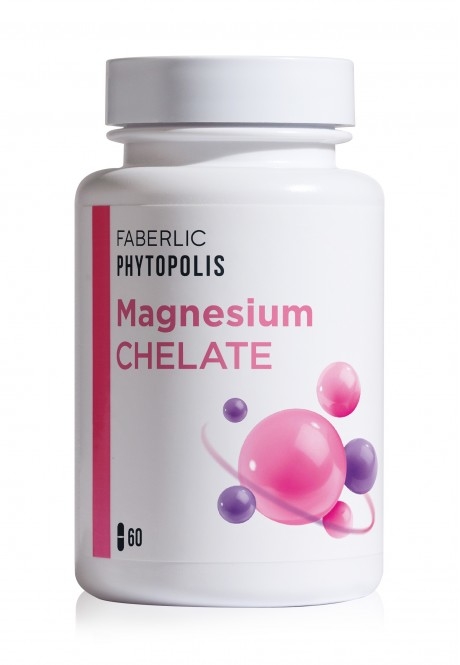
Итак, для начала стоит определиться с выбором самого магния. Лучше всего усваиваются органические формы солей магния. Хорошо себя зарекомендовала хелатная форма, она усваивается в 5 раз лучше других.
Теперь поговорим про дозировки. Данных о передозировке магнием нет, и высокие дозы, согласно научным источникам, безопасны. Но переусердствовать не стоит и лучше оставаться в пределах суточной нормы человека: для женщин она составляет 300-350 мг, для мужчин — 400-450 мг.
И отвечаем на последний вопрос: когда лучше принимать биоактивные добавки магния? Выбирай вторую половину дня непосредственно перед или во время приема еды. Курс длительностью в один месяц нужно повторять, как минимум, 1 раз в год. Жителям мегаполисов, курильщиков и пациентов с сахарным диабетом стоит увеличить количество курсов до 2-3 в год. Так симптомы дефицита магния больше не будут причинять вам неудобств.
Магний — один из важнейших макроэлементов для функционирования организма. Именно он обеспечивает работу нервной системы, сердца, участвует в синтезе белка. Его вклад невозможно переоценить, поэтому поддерживать его в норме – одно из лучших вложений в собственное здоровье.
Товары в этой статье